What are “setup costs” in packaging?
When you buy custom packaging, you will often see line items for setup costs or tooling in your quote. This might refer to different parts of the packaging process or can sometimes be lumped together. Let’s start with setup costs.
Setup Costs
You might see this written as origination fees or setup costs/charges. These are typically only applicable on a first order but can include a number of things including:
- Reprographic charges - essentially the cost of making your artwork print ready.
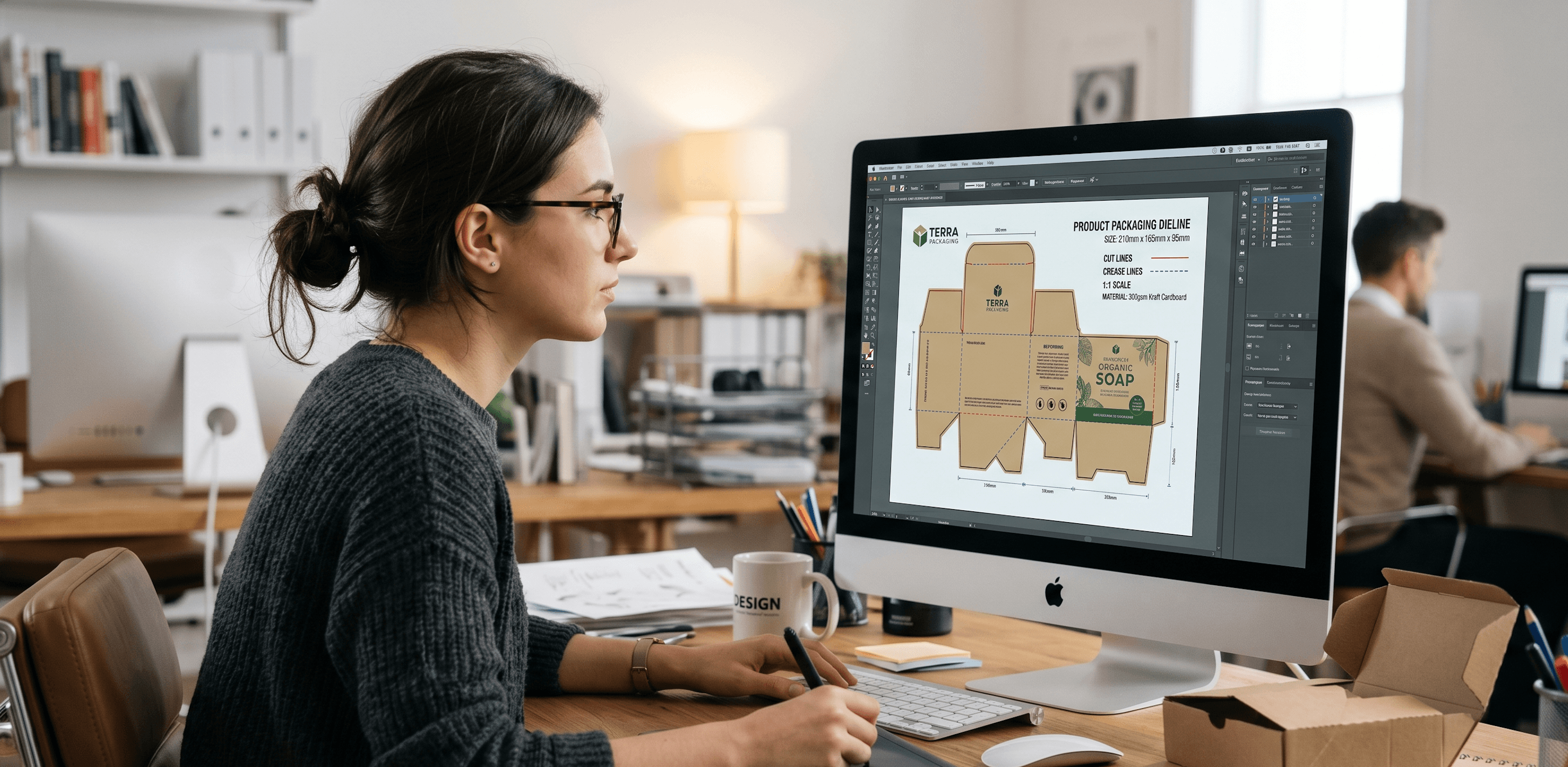
- Print plates / stereos (tooling)- these are physical objects that enable accurate reproduction of your design.
- Cutting dies / formes (tooling) - also a physical object that allows your packaging to be cut to the exact design.
- Moulds / molds (tooling) - in simple terms, think of a jelly mould. In plastic bottles, molded pulp or paper tube packaging, moulds are always used to shape the final object.
Reprographic Charges
What you are paying for here is time and expertise to correctly setup your artwork for print. Whether the supplier bears this cost or passes it on varies.
Approximate Cost: £40 - £200
Print Plates / Stereos / Screens
Depending on your print process, you will often need to pay for these on your first order. Subsequent orders using the same artwork will not require you to buy these again.
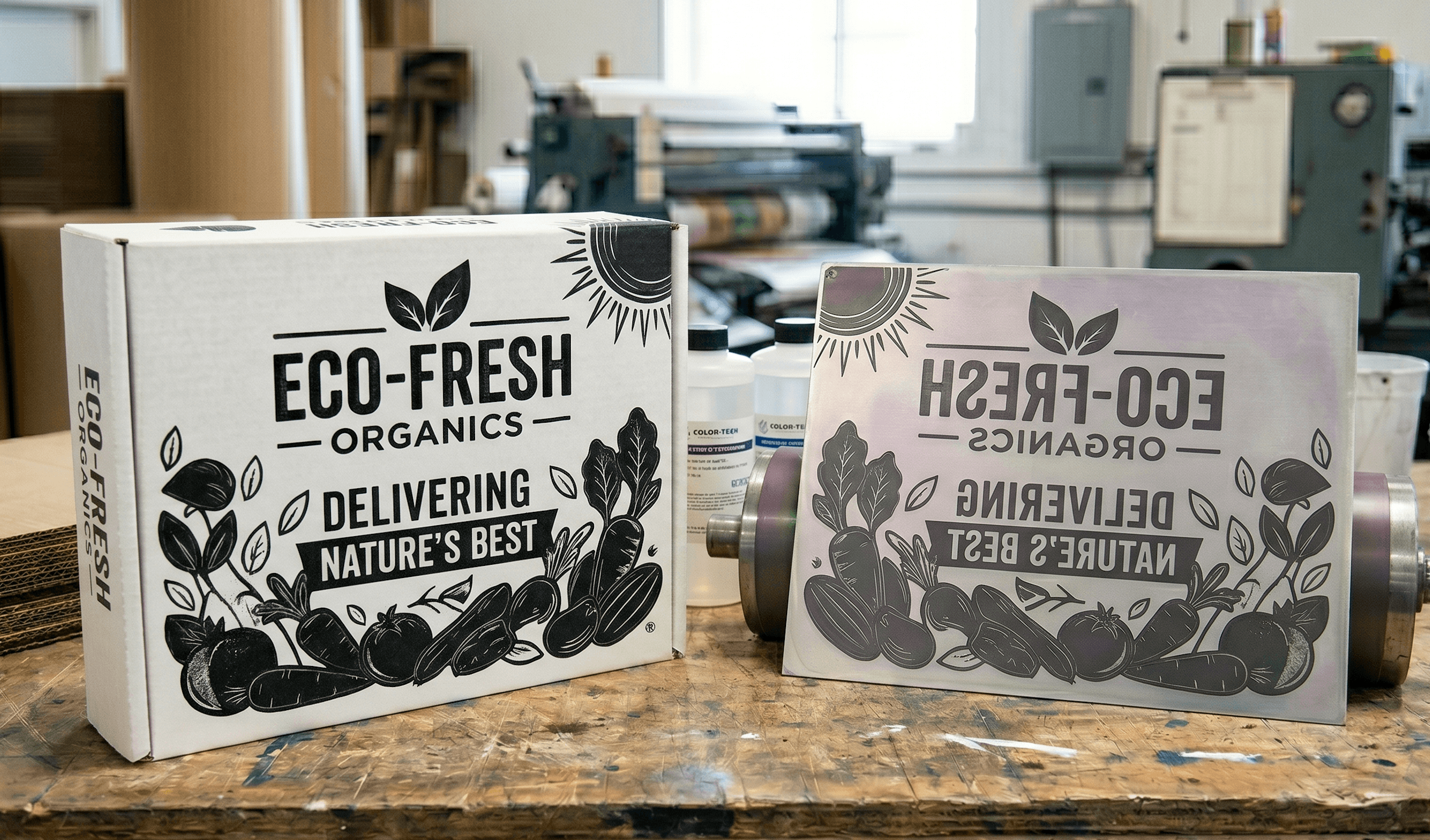
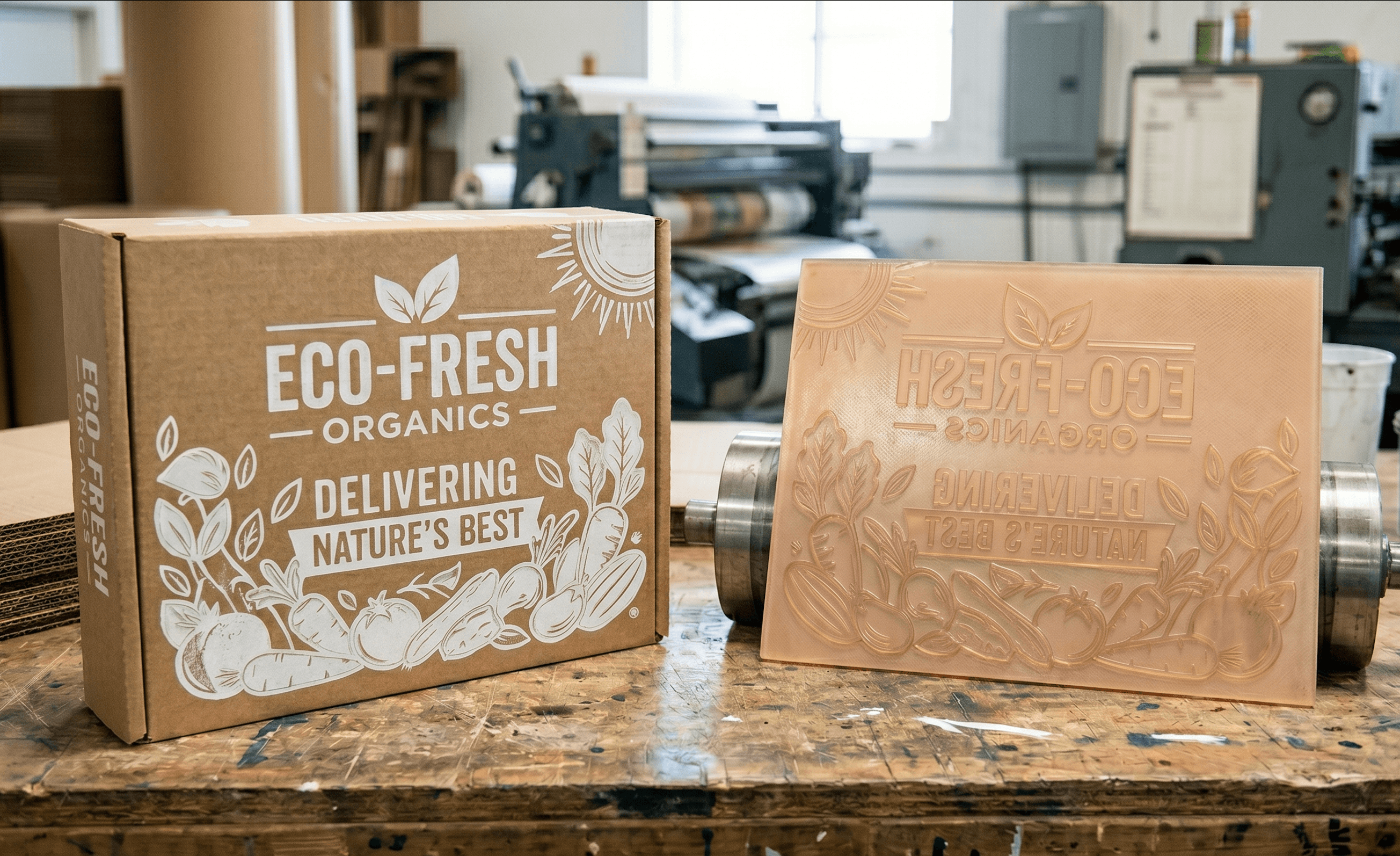
For flexographic printing, print plates (stereos) are made for the first order and reused over time. They will eventually need to be replaced if you are running millions of the same mailer box or shipping box for example.
For lithographic (offset) printing, the plates are made for each production and the cost is usually amortised into your unit price because of this. You might be more likely to see reprographic charges. Advent calendars and rigid boxes often use this process.
Screens are only relevant to screen printing and tend to have a lower cost anyway.
Approximate Cost: £40 - £400 per colour
Cutting Dies / Formes
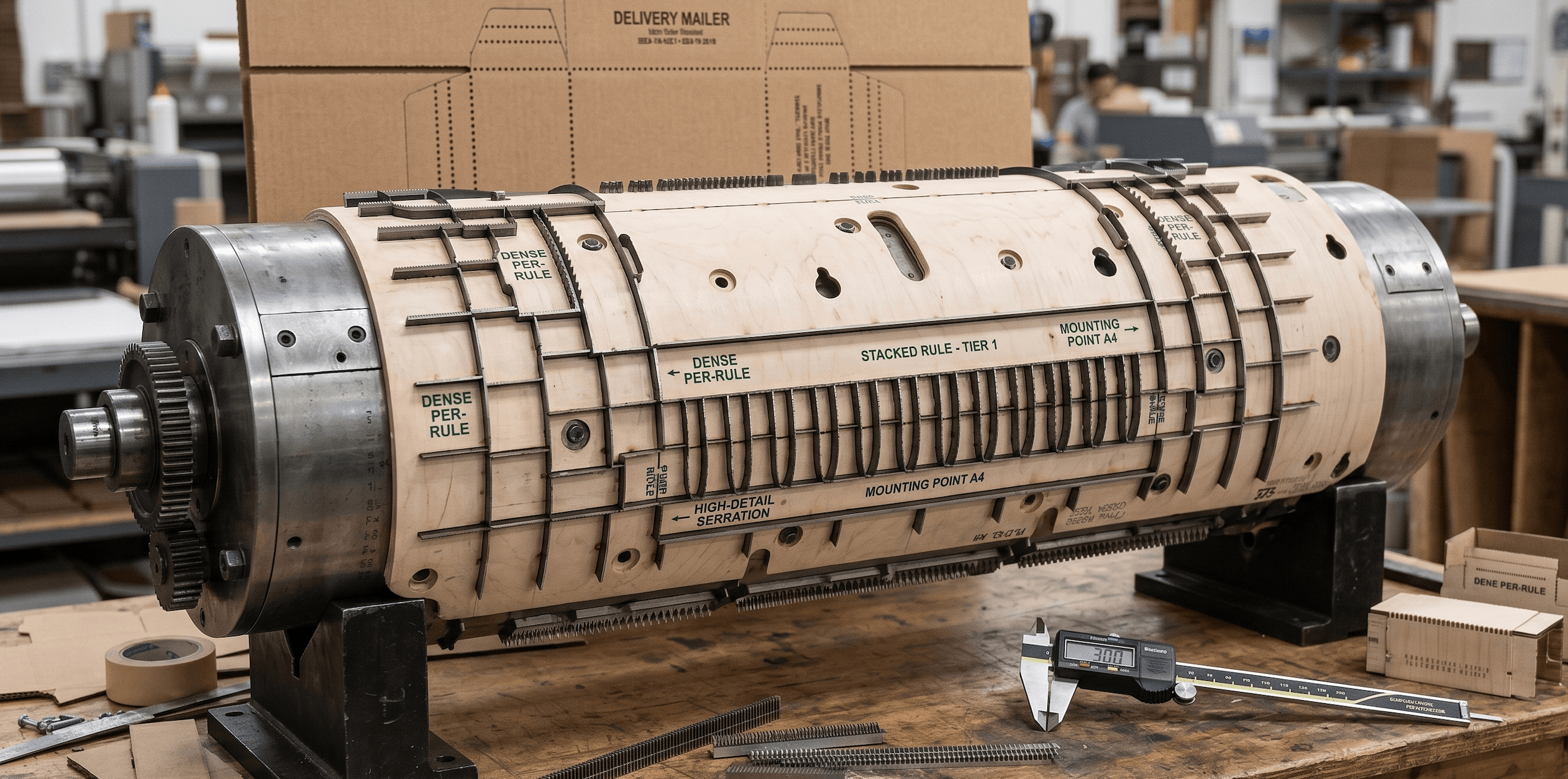
Cutting dies (formes) are required for a multitude of paper packaging types from mailer boxes to cartonboard. These are sheets with blades that cut away areas that won’t be needed or crease areas that will be folded.
The cost of your dies will depend mainly on the size: the larger the die, the higher the cost. This calculation directly relates to the scale of the production rather than your packaging. For example, you might be ordering a small cartonboard box, but the master sheet size contains 16 of these. That means that your die cost might be expensive.
Again, this is typically only a first order cost as long as you don’t change the shape or size of your box. Dies will become blunt over time and most suppliers are able to repair the blades between productions. They will eventually need replacement (but only after millions of units are produced).
Approximate Cost: £350 - £1800
Moulds / Molds
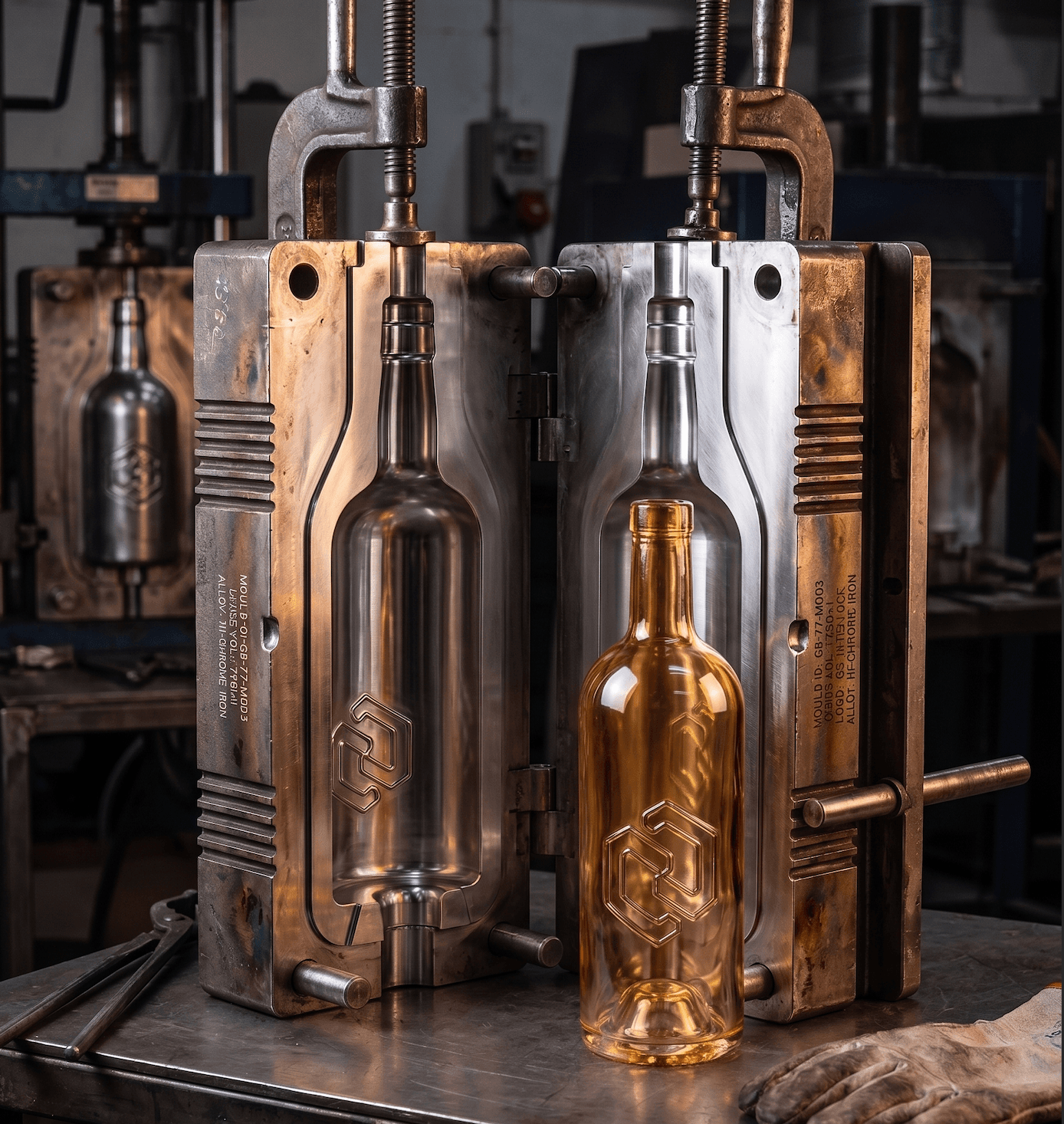
Moulds are made to create three-dimensional packaging shapes like bottles, jars and paper tubes. The type and cost of moulds varies dramatically. If you are making a custom glass bottle for example, costs can run as high as £50,000+. While this is a scary cost, it will usually lead to much cheaper unit prices.
This is why most of our clients will utilise an existing mould and customise the decoration - this way you get a very custom looking piece of packaging but without the huge upfront costs.
Approximate Cost: £500 - £50,000
Can I avoid paying these costs?
There are ways to reduce the cost by choosing processes that don’t require heavy setup.
- Digital print may require reprographic fees and cutting dies, but no print plates are required.
- Utilising existing cutting dies and moulds can minimise setup costs.
- Print plates are cheaper for lithographic printing.
- Reducing the number of colours in a design will reduce costs.
How do I compare options like lithographic vs flexographic vs digital?
Take a look at our blog post here about the different print processes here. There are lots of factors that will help you choose the right process and sometimes your choice will be made for you.
- Small runs of mailer boxes or paper mailers suit digital printing (no print plates) but unit costs will be higher.
- Setup costs for flexographic printing will be higher but the manufacturing process enables cheaper unit costs. Reorders will be cheaper
- Your design will dictate which process is possible. Any designs that require photographic / intricate designs will usually need to be digital or lithographic.
- Simple and natural looking print usually looks better with flexographic.
Takeaways
When thinking about a packaging project, you’ll want to consider the whole cost:
- Do you have the budget for the upfront setup costs in order to unlock cheaper unit pricing?
- What are your design considerations? How many colours?
- Are you likely to change the design or sizing soon? Investing when you are likely to change probably won’t make sense.
- Do you have multiple designs? If you have 7 SKUs, it might not make sense to pay for flexographic printing until you have the volume (5k+ per SKU).
Got a project in mind? Talk to us
Let’s have a chat - we can talk through all options and give you guidance around budget, design and timelines. Or chat to our knowledge hub here.