This is the third in a five-part blog series called 25 Ways to Save Money on Packaging, published every Wednesday. Each week, we’ll explore a different area of packaging strategy, from smarter design and efficient fulfilment to procurement hacks and logistics – all tailored to help brands like yours cut costs while maintaining a great customer experience.
Blog 3: Customer Experience That Saves
Your customers care about packaging, but so should your ops team. When done right, a great unboxing experience can reduce returns, cut damage rates, and even lower total packaging spend. These next five ideas focus on putting your customers first in a way that also helps your bottom line.
16. Design for returns
Returns are a reality for most eCommerce brands, especially in fashion and beauty. Packaging that’s not designed for two-way shipping often ends up damaged, scruffy or completely unusable. This results in unnecessary replacements, refunds, and customer dissatisfaction. A more effective option? Re-sealable mailers, dual-seal boxes, or peel & seal formats that customers can reuse for returns. These eliminate the need to include an additional bag or label, keep the experience simple, and show customers you’re thinking ahead. Rental platform HURR uses RePack’s reusable packaging to make returns simple and sustainable, reducing waste and the need for additional materials.
17. Reduce breakages with better inserts
Fragile goods like glass bottles, candles or cosmetics often carry a high breakage risk leading to refunds, replacements, negative reviews, and brand damage. Relying on generic void fill might not be enough. Instead, investing in tailored inserts made from kraft, pulp, or die-cut corrugate provides form-fitting protection that cushions your product in transit. It can even replace plastic or foam void fill, helping with sustainability goals. Plus, inserts can guide the customer’s unboxing experience and reduce confusion or handling errors. A great example is Fatty15, a D2C supplement brand that uses custom-designed inserts to secure their glass bottles during transit. Their packaging minimises movement inside the box and uses recyclable materials, ensuring products arrive intact while reinforcing their sustainability commitment.
18. Reinforce perceived value
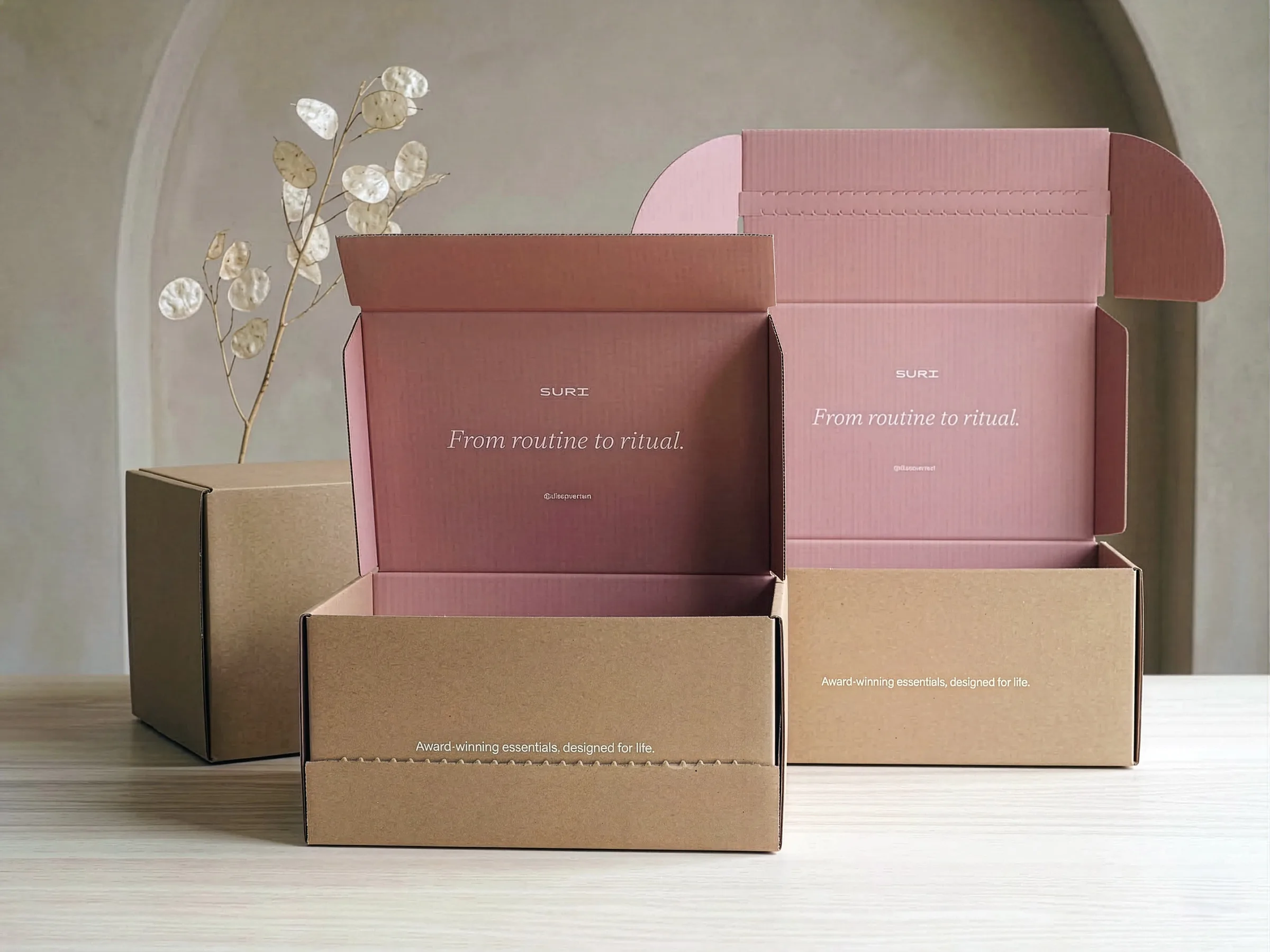
Customers form lasting impressions from their first unboxing and it often defines how much they feel your product is ‘worth.’ But elevating perceived value doesn’t mean luxury-grade costs. You can achieve a premium feel through thoughtful design, such as interior print, consistent material textures, or clever box openings. Even a plain corrugate box with smart folding and a single branded sticker can feel polished and intentional. Beauty Pie creates a premium yet accessible experience by using branded tissue paper, carefully colour-matched packaging, and sleek box designs that feel luxurious without being overly extravagant. By focusing on consistency and neat presentation, you give customers confidence in your brand and increase retention without breaking the bank.
19. Avoid overpackaging
Too much packaging isn’t just wasteful — it’s one of the top drivers of negative customer feedback. Whether it’s a small item in a huge box or layers of unnecessary wrap, overpackaging frustrates customers and drives up shipping and material costs. By carefully sizing die-lines, using smarter structural design, and avoiding excess padding, brands can cut costs and boost sustainability. Abel & Cole, a UK organic grocery delivery brand, actively avoids unnecessary packaging with a “zero pointless plastic” policy, cutting both waste and operational costs.
20. Tier your packaging by customer journey
Not every order needs the full unboxing treatment. Many brands are adopting a two-tier packaging approach: a premium, branded experience for the first order and a more cost-effective, sustainable format for subsequent refills or repeat purchases. Think: rigid boxes or tissue wraps for your first delivery, then a simpler recyclable mailer or pouch for top-ups. Wild, the refillable deodorant brand, exemplifies this perfectly, delivering a premium aluminium case with first orders, and minimal eco-friendly refill packs thereafter.
Delivering an exceptional customer experience isn’t just about building loyalty — it’s a hidden lever for serious cost savings. Smarter returns, fewer breakages, cleaner unboxings, and sustainable refill strategies all cut waste and cost while elevating your brand.
Next week, we shift gears to the buying desk. Part 4 will dive into procurement: how to negotiate better deals, find hidden savings, and future-proof your packaging supply chain.