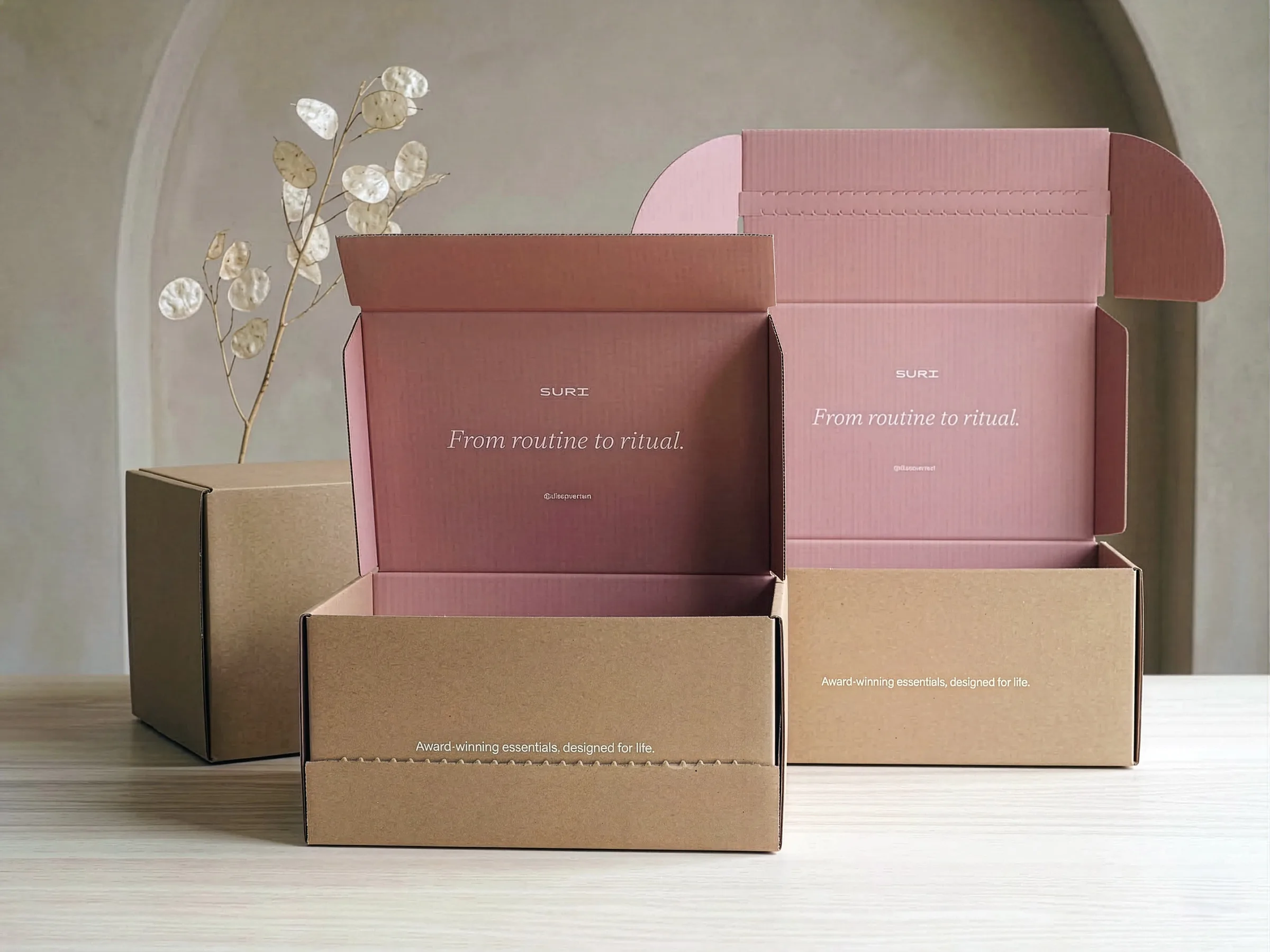
Is custom packaging always necessary?
The short answer is: it depends. For brands that launch straight into retail, custom packaging might be non-negotiable. Labelling regulations, retailer demands and crowded shelf space might make it essential.
When does it start to make sense?
For ecommerce first brands, it is a decision that will usually be steered by a few factors:
- Budget - obvious point but if you’re lucky enough to have the cash, you can go custom early.
- SKUs - even if you have the cash you may want to wait until you’ve established a sales pattern across your SKUs. This allows you to create perfect sizing and optimisation (e.g. 3 mailer box sizes to capture multiple combinations. We can help analyse your products and rationalise the number of packaging variations (packaging audit).
- Operations - do you control your fulfillment? It will often take some co-ordination between our clients and their 3PL partners to find the best custom solutions.
- Impact - for high-ticket and luxury goods, custom packaging is usually essential
- Quantity - If you only need 50 boxes to start, your choices will be much more limited and comparatively expensive (we’ll dive into this later).
What is the MOQ (Minimum Order Quantity) for custom packaging?
For many packaging products you may find solutions at as low as 100 pieces but this is generally rare. There are print-on-demand suppliers out there that specialise in quick-turn low MOQ paper packaging. Merchandise is another area (think tote bags, water bottles) where you’ll likely find some options out there in the marketplace.
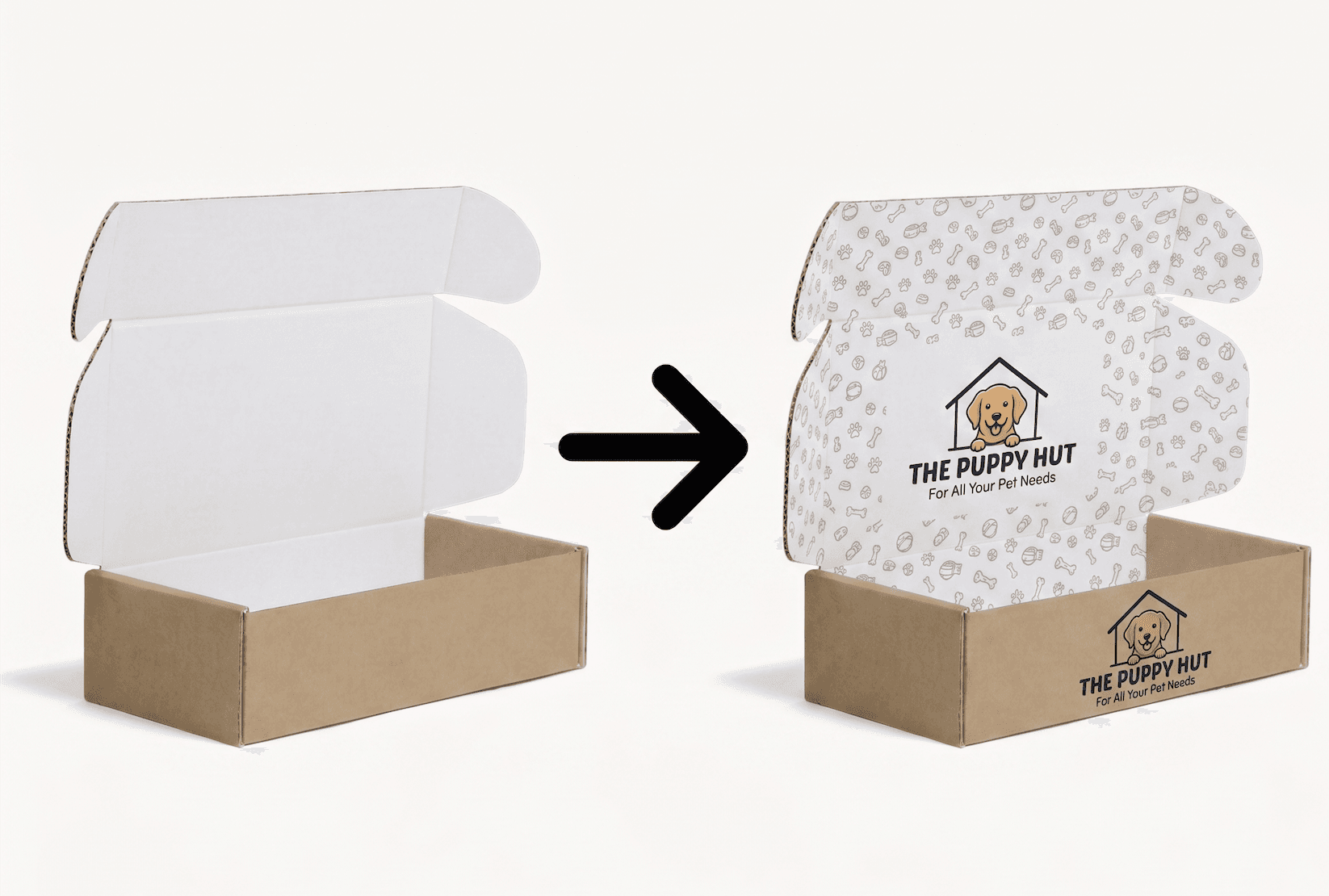
Typically in the low MOQ world, you will have semi-customisable options available. This might mean stock size mailer boxes that you can custom print or standard sized paper mailers that can be digitally printed with your logo.
For anything truly custom MOQs vary wildly. It’s important to remember that hitting an MOQ still might not make good financial sense for you when you take setup costs into account. Below is our general guide to entry level MOQs for fully custom products.
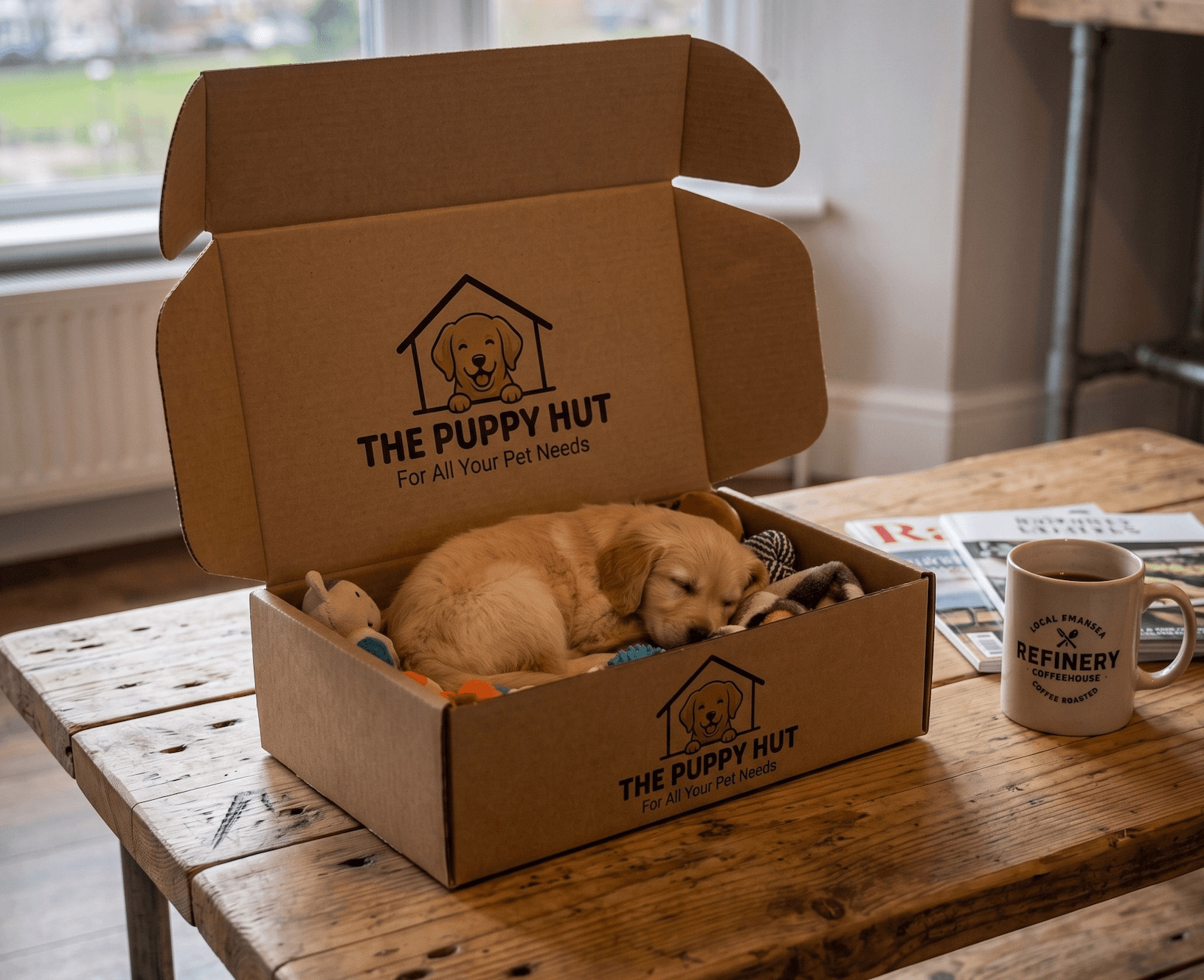
| Paper Based | Print Process | MOQ | Economy of Scale | Most Economic |
|---|---|---|---|---|
| Mailer Box, Shipping Box | Digital | 1000 | 3000 | 10000+ |
| Flexo | 1000 | 5000 | 50000+ | |
| Litho | 1000 | 5000 | 30000+ | |
| Cartonboard boxes | Digital | 1000 | 10000 | 25000+ |
| Flexo | 5000 | 20000 | 75000+ | |
| Litho | 1000 | 10000 | 75000+ | |
| Rigid Boxes, Advent Calendars | Litho | 500 | 5000 | 50000+ |
| Paper Tubes | Litho | 3000 | 10000 | 50000+ |
| Paper Mailers | Digital | 500 | 5000 | 10000+ |
| Flexo | 5000 | 20000 | 50000+ | |
| Paper Tape | Flexo | 72 | 3600 | 10000+ |
| Tissue Paper | Litho | 1000 | 5000 | 20000+ |
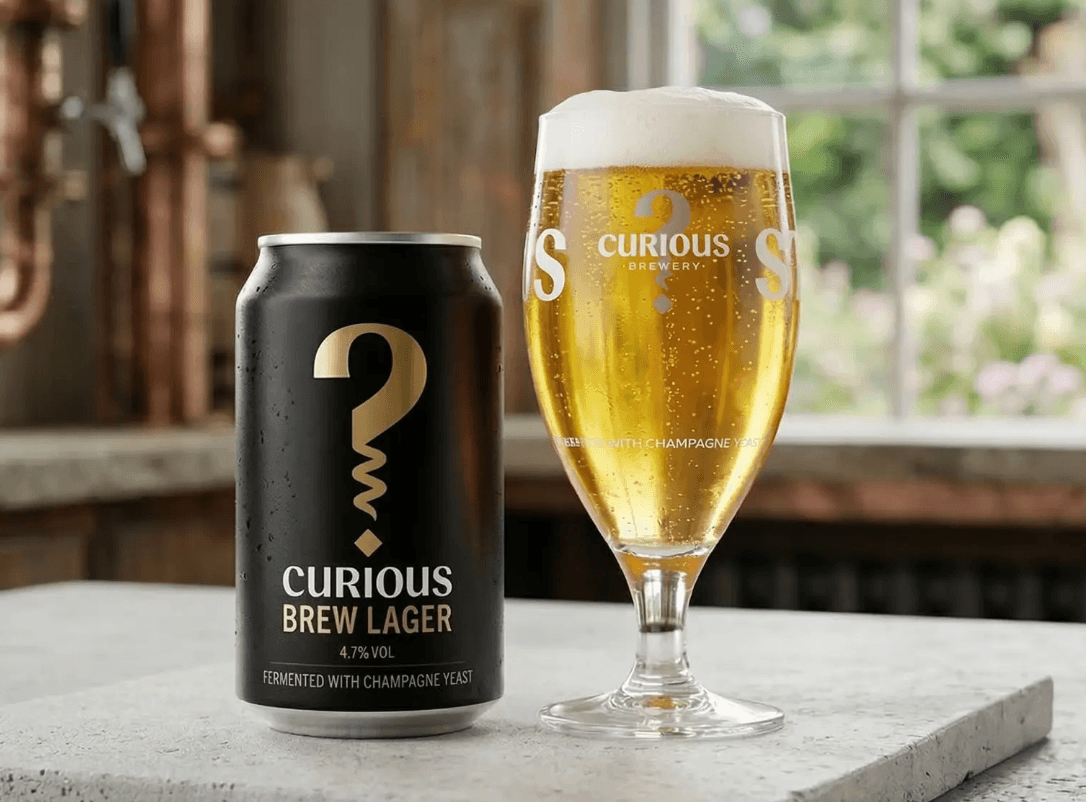
| Vessels | Print Process | MOQ | Economy Of Scale | Most Economic |
|---|---|---|---|---|
| Cans | Digital | 500 | 5000 | 20000+ |
| Tins | Mixed | 5000 | 10000 | 30000+ |
| Glass Jars, Bottles | Mixed | 5000 | 10000 | 50000+ |
| Plastic Jars, Bottles | Mixed | 5000 | 10000 | 50000+ |
| Plastic Tubes | Digital | 1000 | 5000 | 10000+ |
| Aluminium Tubes | Mixed | 5000 | 20000 | 50000+ |
How does pricing vary across quantities?
No surprises here but higher quantities will always attract better pricing. It’s not exponential though - typically when we get to truck-load quantities you are reaching maximum efficiency and any further saving will need to be shaved off the manufacturer profit.
Working example: small mailer box (Flexo)
| Quantity | 1000 | 5000 | 10000 | 25000 | 50000 | 100000 | 250000 |
|---|---|---|---|---|---|---|---|
| Unit price (excluding setup) | £1.60 | £0.75 | £0.38 | £0.27 | £0.26 | £0.25 | £0.24 |
| % decrease | N/A | 53% | 50% | 28% | 4% | 4% | 4% |
What other factors affect pricing?
Material usage
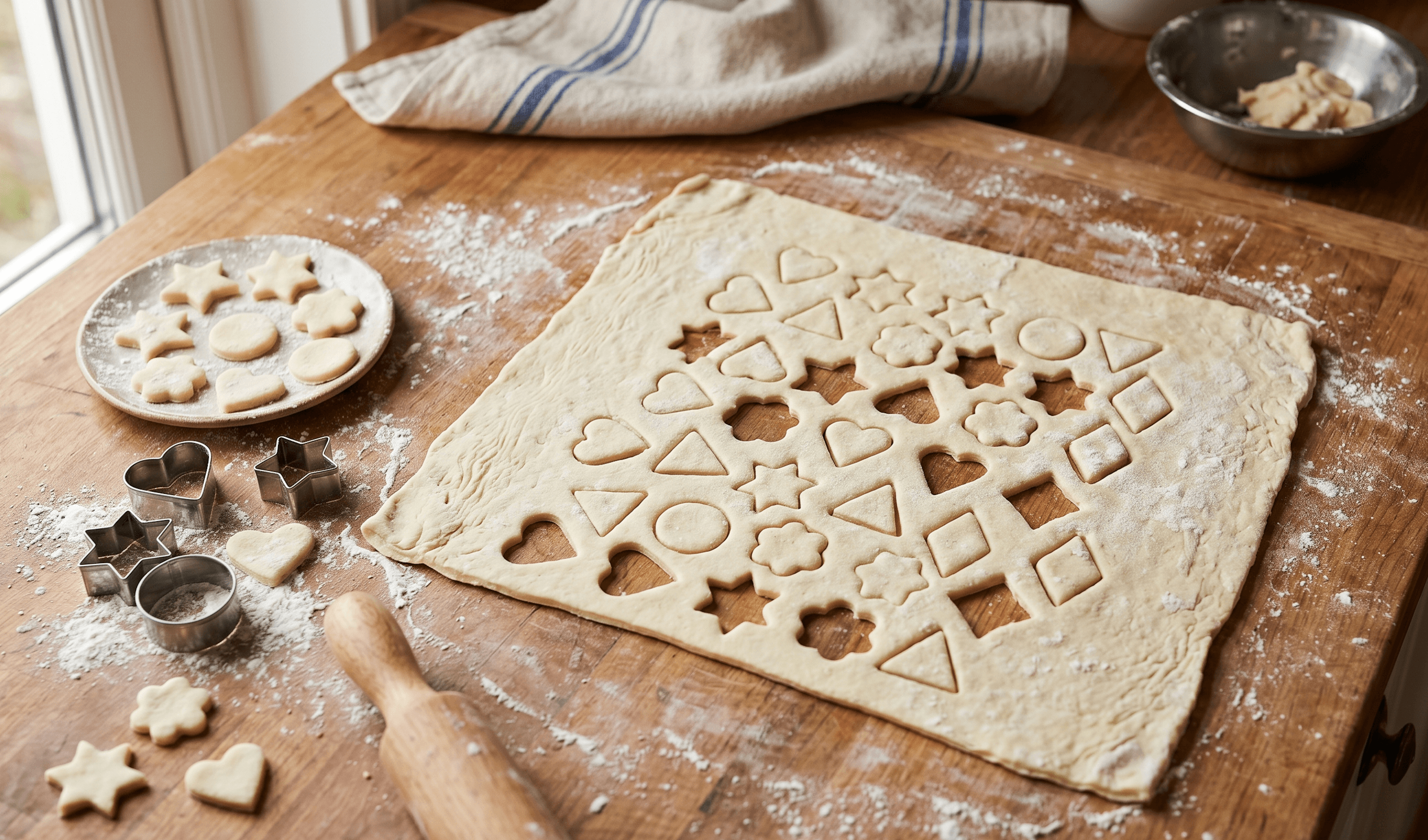
The more efficient we can be with base materials, the cheaper your price will be. The less wasted raw material, the better. For boxes, we can try and maximise the number of boxes that fit on a master sheet of corrugated. For poly mailers, a roll of material makes approximately 50,000 medium sized mailers. If you want to make 10,000, you are effectively wasting the rest of that material and you will pay for that waste. Think about this a bit like rolled pastry - you want to maximise the number of shapes you cut out of the material.
Material Type
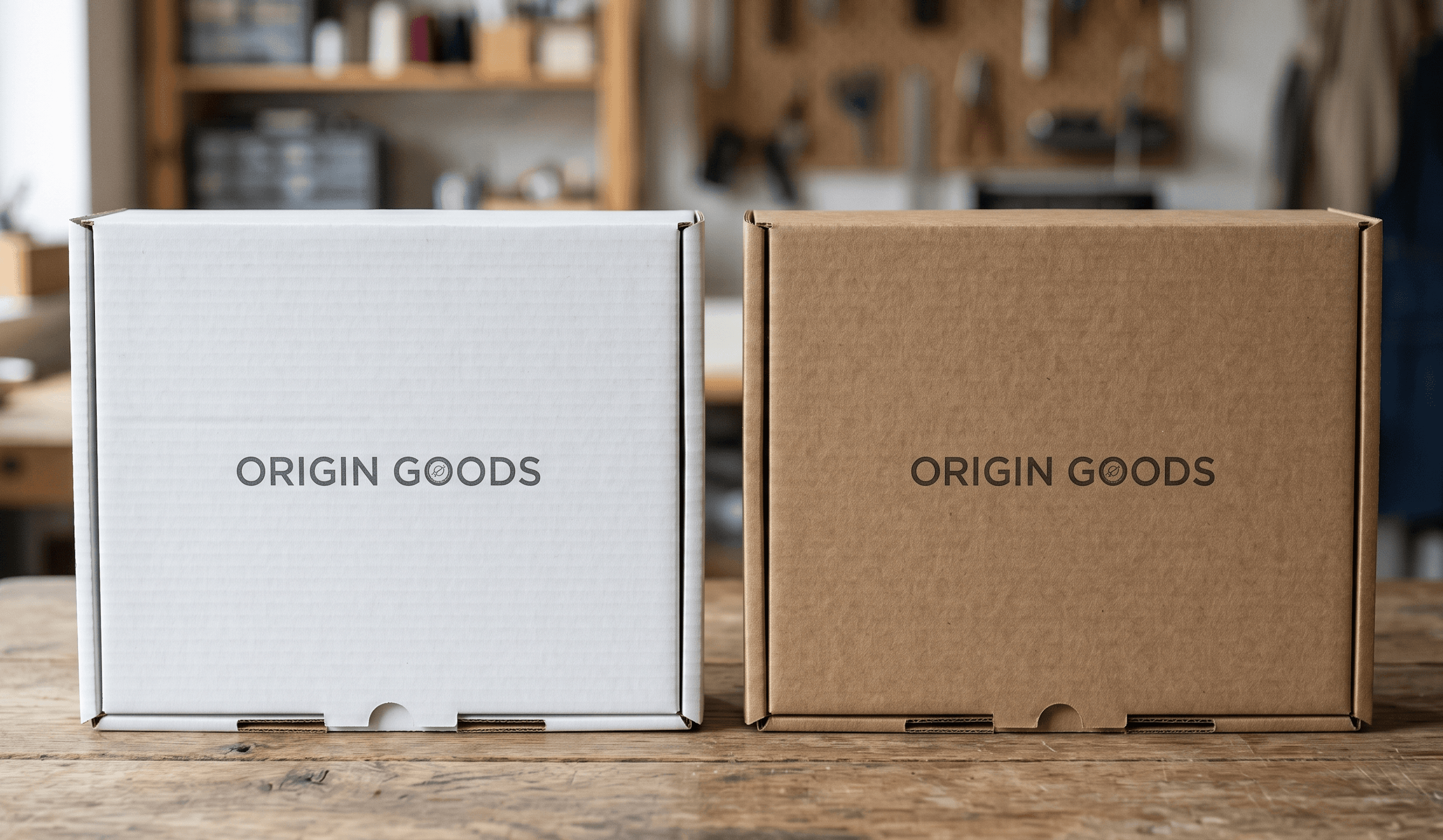
Just like with most things in life, some materials cost more than others. This is based on the cost to make that material but also how commonly it is used. For example, sometimes using corrugated board that has kraft brown on one side and white on the other will be cheaper than brown both sides and white both sides.
Transport
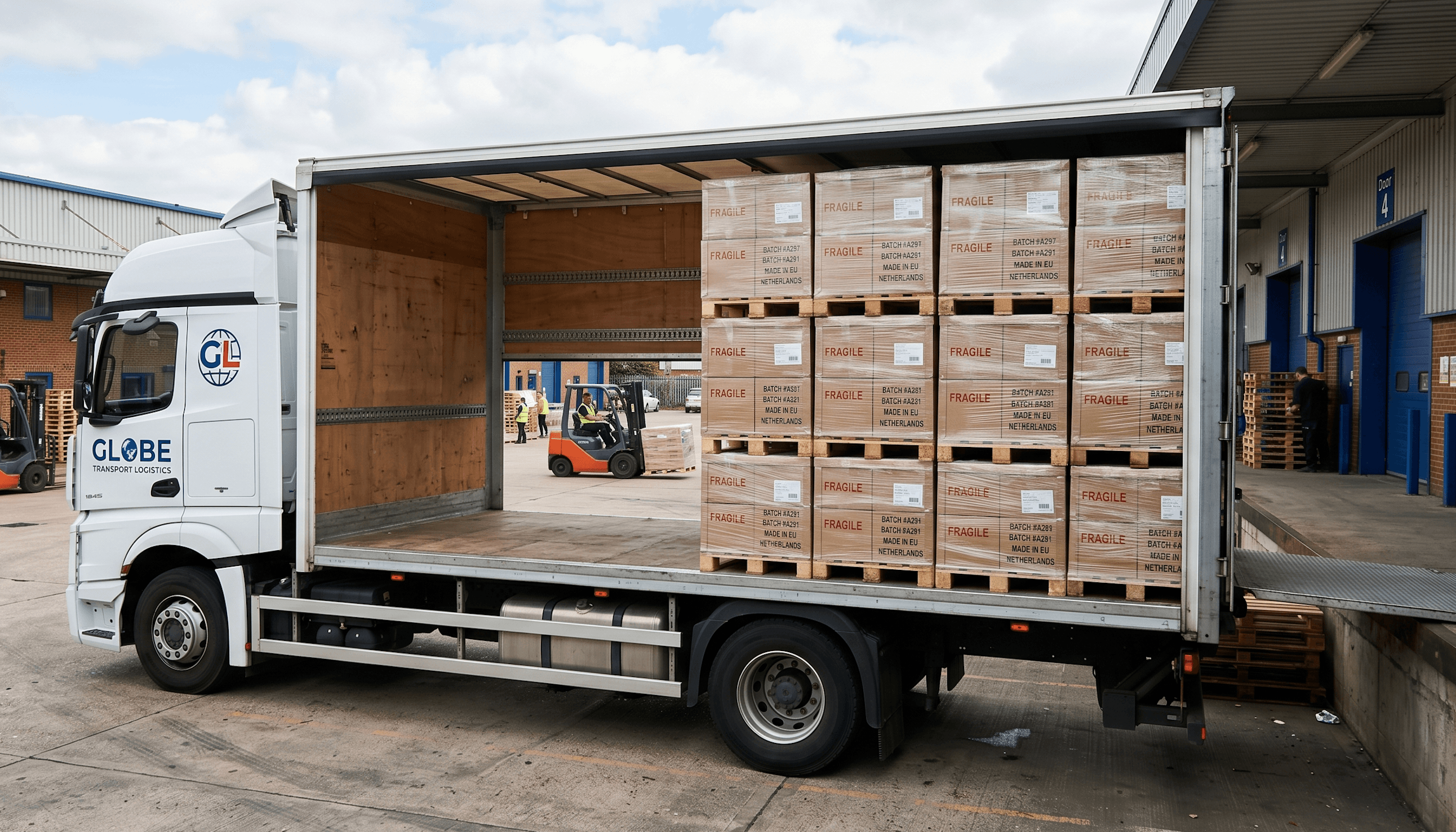
The closer you are to a full truckload (20+ pallets), the better your pricing will be because you won’t be transporting air.
Print Coverage
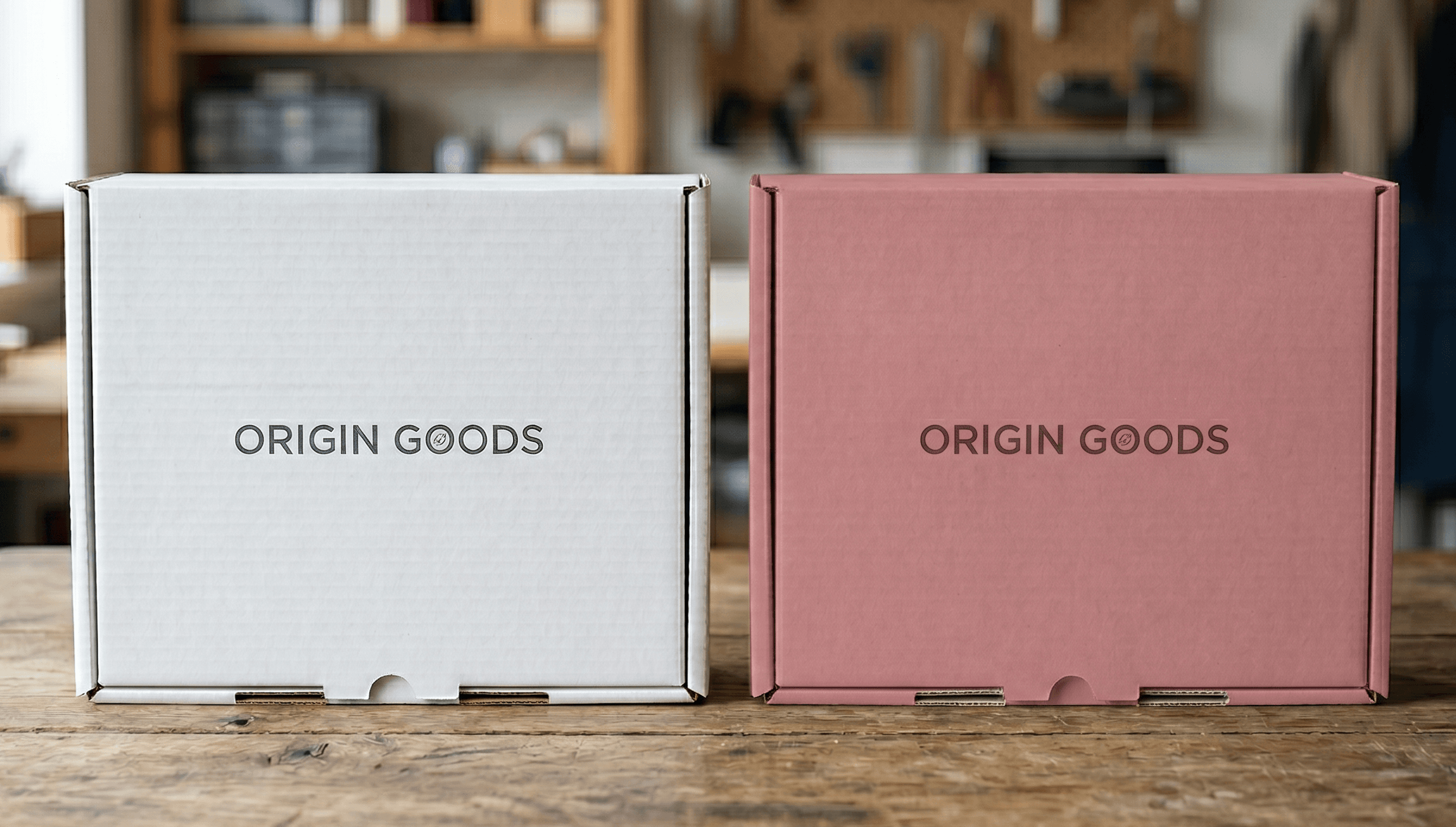
Ink volume and machine time to lay it down will impact your price.
Manufacturing Efficiency
Does your product need to go through 1 process or 3? 3 will always cost more in time - setting up machines, adjusting them and finishing your packaging.
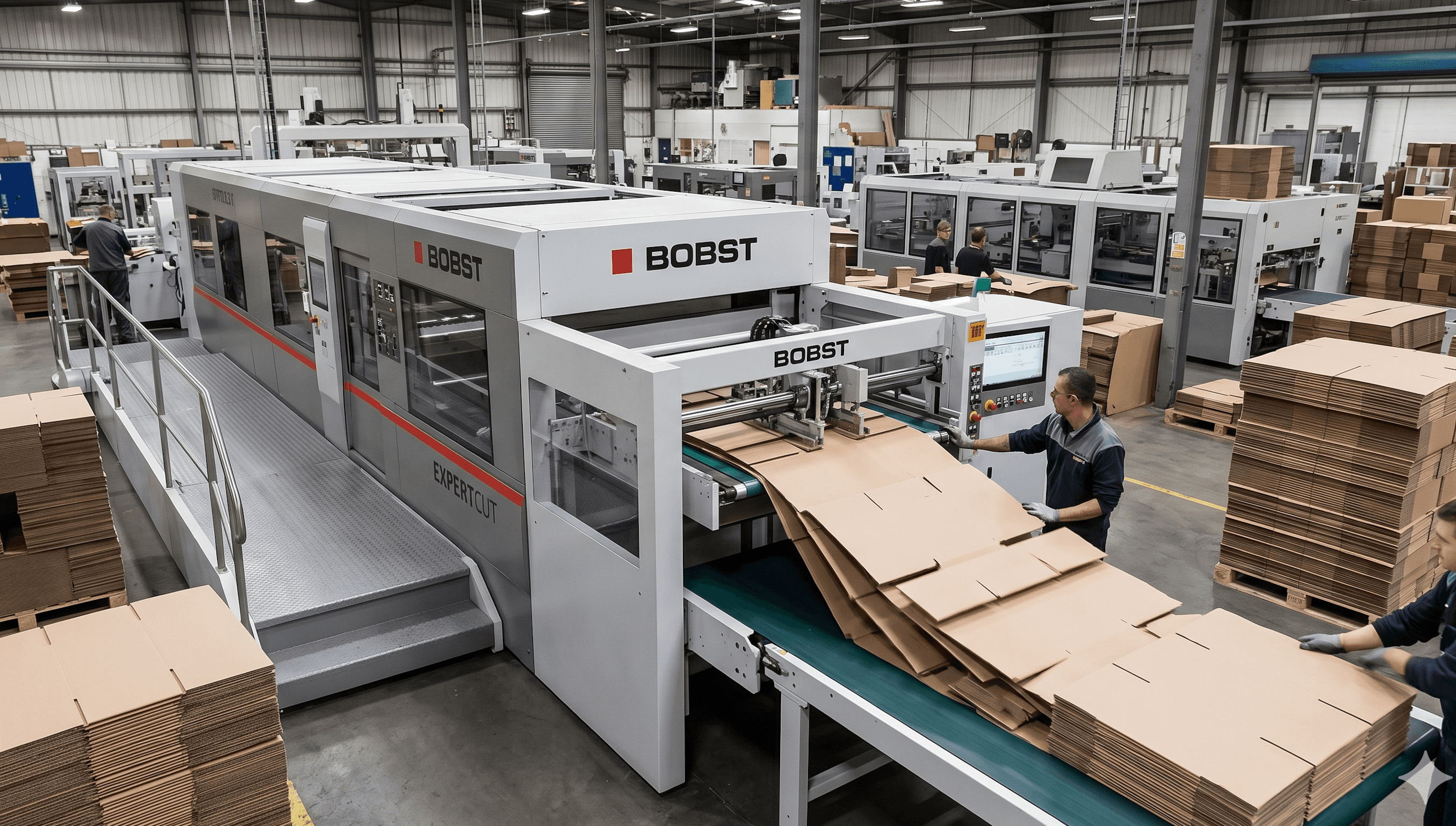
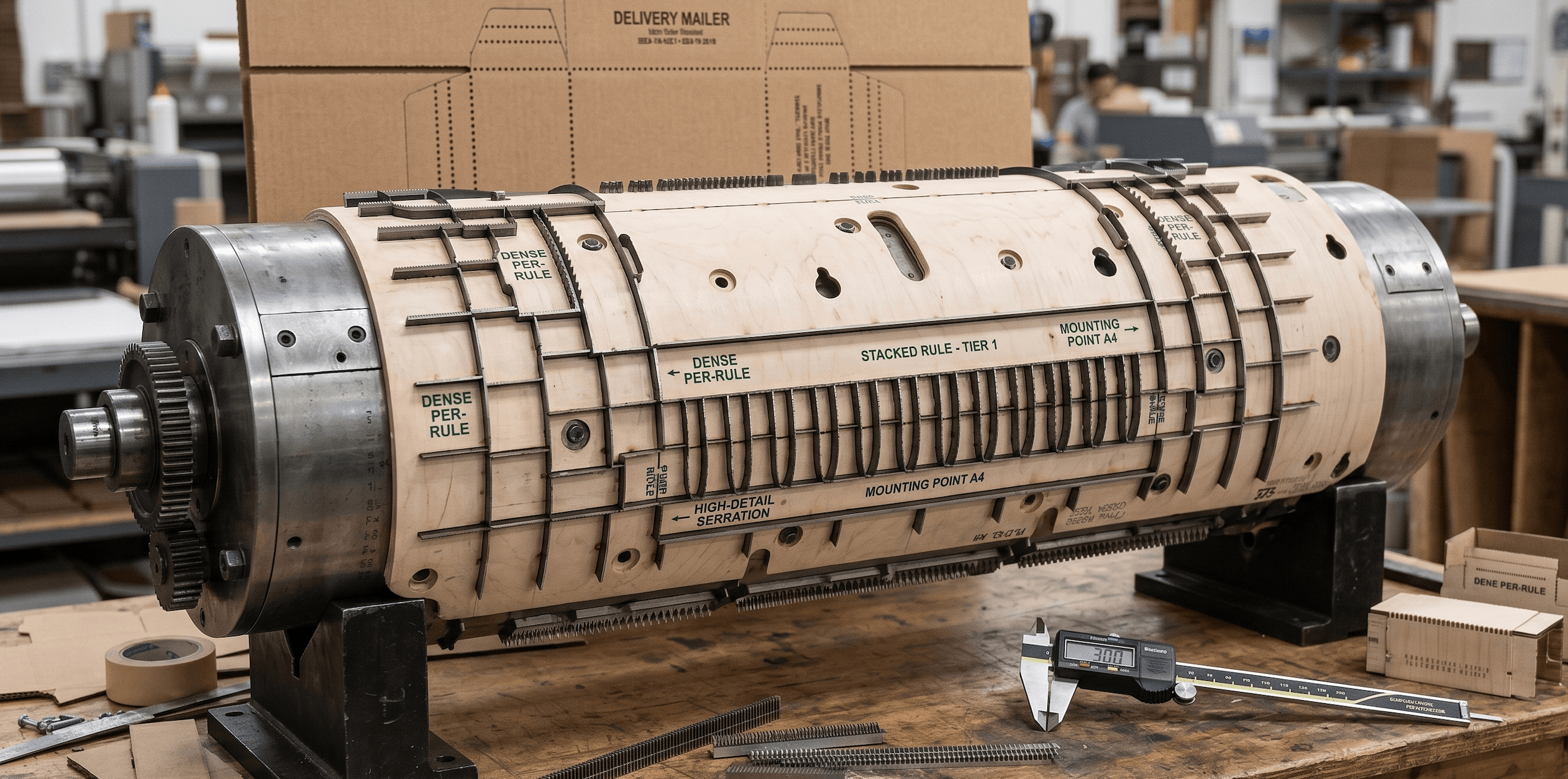
Setup Costs
Part of your overall affordability will depend on the tooling cost. Remember that this will be proportionately more at lower quantities when amortised. See our detailed blog here for more information.
What’s the best way to know if your brand is ready for custom packaging?
You’ll always be the best judge of when you’re ready but we’d generally recommend the following:
50 to low 100s
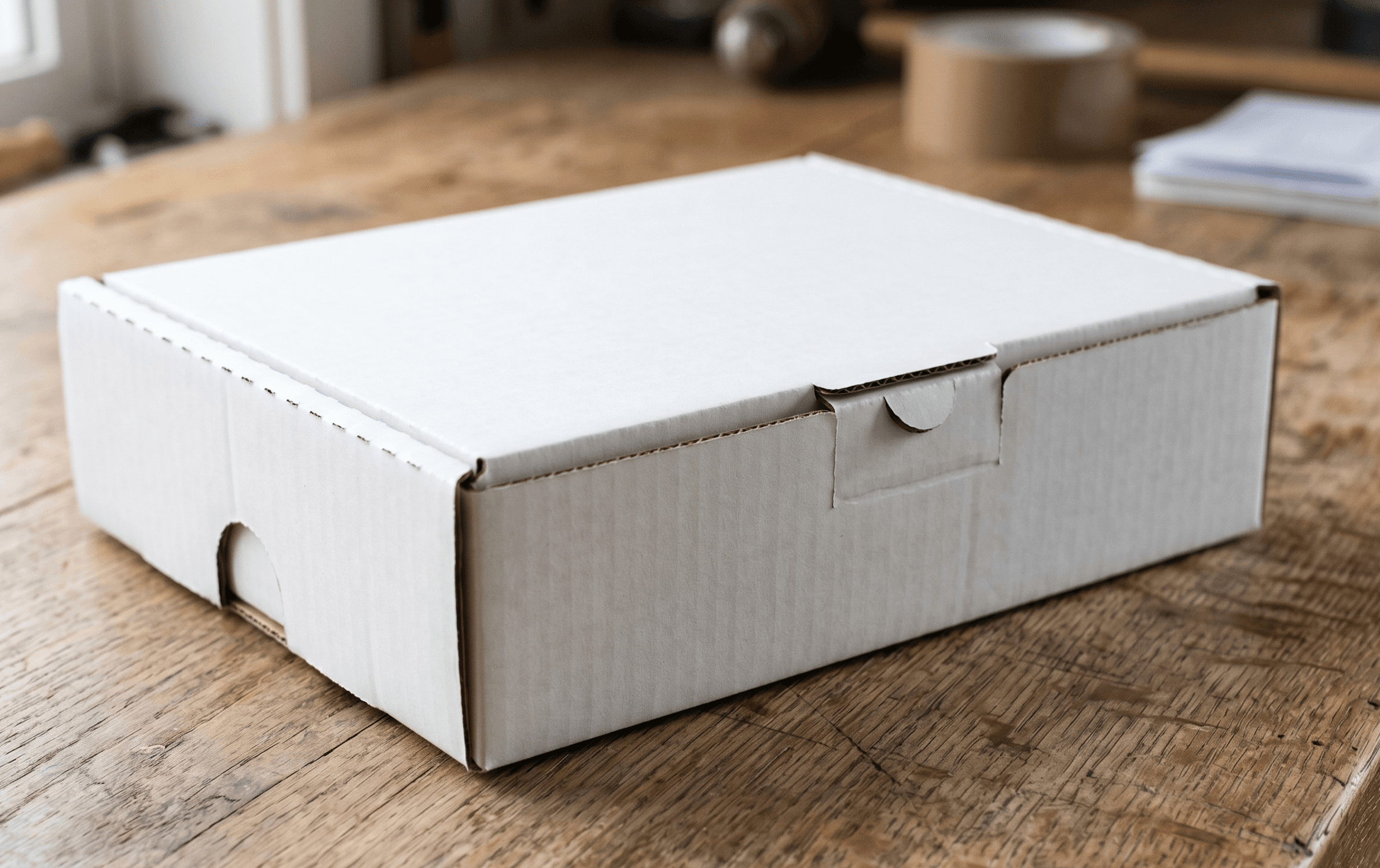
500 - 1000
1000-5000 - likely to be a good time to start your journey into custom packaging!
Let’s have a chat - we can talk through all options and give you guidance around budget, design and timelines. Or chat to our knowledge hub here.