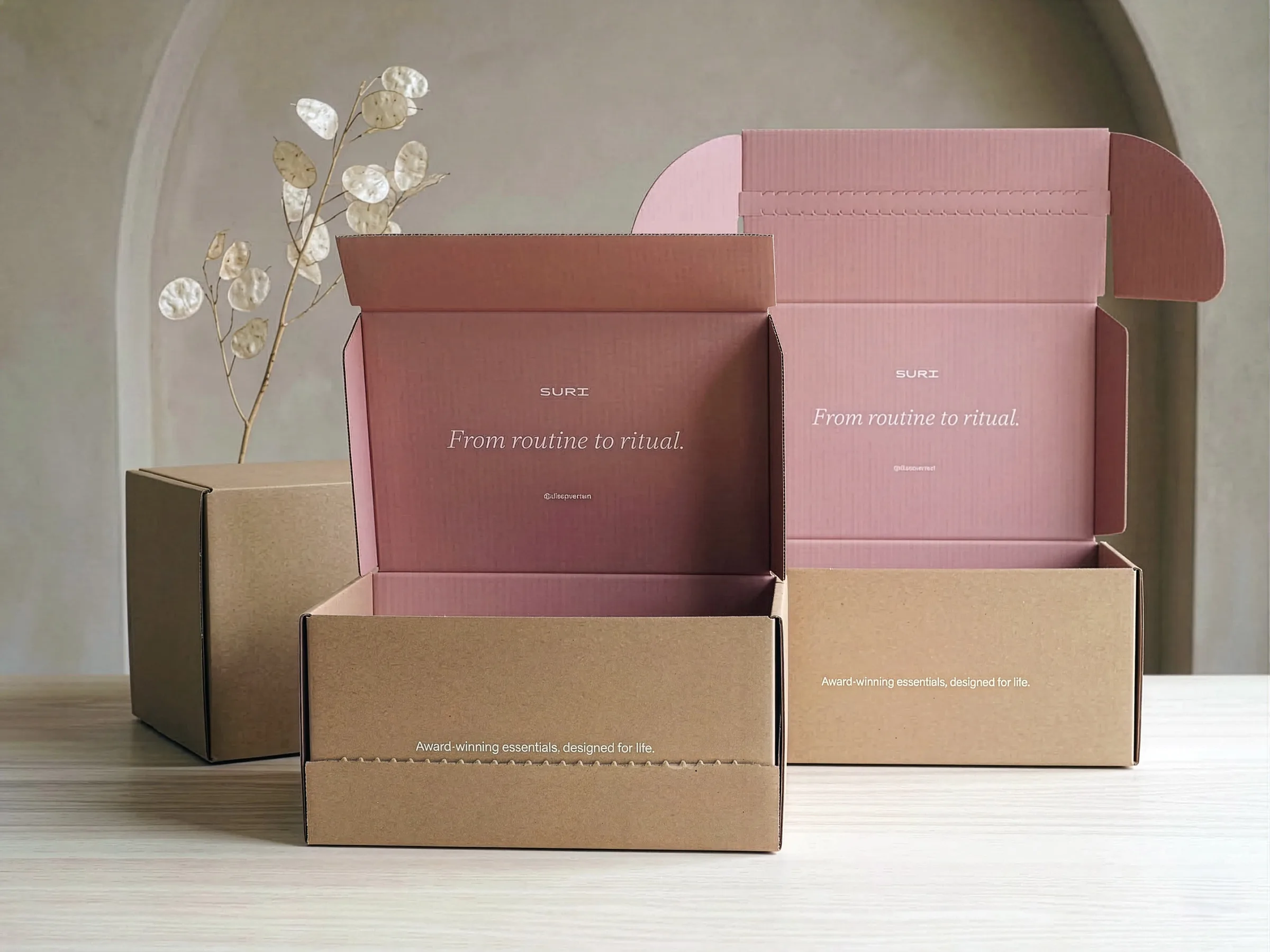
We’ve covered design. We’ve tackled supply chain, customer experience, and procurement. Now it’s time to zoom out and look at the big picture… how packaging influences your entire business. This final post isn’t just about cutting costs — it’s about how smart packaging supports growth, sustainability, brand trust, and better decision-making across your team.
This is the final part in a blog series called 25 Ways to Save Money on Packaging, published every Wednesday. Each week, we explored a different area of packaging strategy, from smarter design and efficient fulfilment to procurement hacks and logistics.
Blog 5: Bringing It All Together
26. Treat packaging as a growth lever
Packaging isn’t just a cost centre — it’s a core part of your customer journey. The right packaging can improve retention, boost referrals, and make your product more shareable. That leads to stronger lifetime value and better return on ad spend. In D2C especially, packaging is the one guaranteed physical brand touchpoint. When you nail it, you create moments that drive loyalty and advocacy. UK florist brand Bloom & Wild demonstrated this perfectly with their iconic letterbox flower mailer, a clever structural solution that made deliveries easier and set them apart from traditional florists, helping to fuel their growth.
27. Make sustainability a cost advantage
Sustainability is no longer just a nice-to-have, it’s becoming a cost advantage too. Lightweight materials, minimal designs, and paper-based alternatives don’t just cut carbon, they often reduce freight, storage, and disposal fees. Aligning with eco-friendly standards can also unlock retailer partnerships, media coverage, and long-term brand value. It’s a tool to reduce costs, delight customers, and support growth. For pioneering brands like Elephant Box, the container itself is elevated into a lifelong, reusable product that champions zero waste and drives immense customer loyalty. Whether you’re optimising design, simplifying fulfilment, or negotiating smarter, there’s money on the table for every brand willing to look a little deeper into sustainability as a cost driver.
28. Don’t silo packaging
Packaging affects multiple teams – from ops and procurement to brand, marketing, and finance. But too often, it’s treated as an isolated function. The best results happen when it’s planned cross-functionally: when the ops team informs timelines, brand sets the tone, and finance understands the ROI. REN Clean Skincare is a great example — they approached their zero-waste journey by involving sustainability, product development, and marketing teams. Their cross-functional collaboration led to refillable formats and recycled ocean plastic packaging.
29. Get more from your supplier
Your packaging supplier shouldn’t just be a vendor — they should be a partner. Someone who understands your brand, your growth plans, and your operational pain points. At Supplied we work as an extension of your team, from structural design and artwork management to sourcing, warehousing, and fulfilment. And we know when to push for a better price, when to recommend a format change, and when to just make it work fast.
30. Revisit your packaging regularly
Too many brands set their packaging once and leave it untouched for years — even as their product range, customer expectations, and costs change. Reviewing every 6–12 months ensures you’re not missing easy wins. Whether that’s switching format, unlocking new pricing, or simplifying fulfilment, there’s always something to improve. We’ve seen brands save 20–30% just by auditing their current packaging and making a few key changes. A great example is Wild, who reduced their e-comm packaging SKUs from 12 to just 3 by streamlining their design and working across brand, ops and supply chain.
Wrapping up the Series
Packaging isn’t just a box. It’s a tool to reduce costs, delight customers, and support growth. Whether you’re optimising design, simplifying fulfilment, or negotiating smarter, there’s money on the table for every brand willing to look a little deeper.
We hope this five-part series gave you a few useful tools, ideas, or even just a nudge to take another look at how you’re doing things.
And if you ever want a hand with it all, you know where to find us.